Back to Results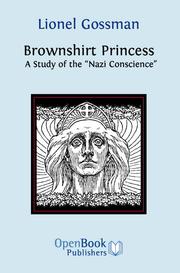
—out of 5—out of 5—out of 5—out of 5—out of 5—out of 5
Magical Tome
- First published
- 2009
- Publisher
- Open Book
- Pages
- 202 pages
- ISBN
- 9781906924072
Brownshirt Princess
The outer archives are busy
About this book
Princess Marie Adelheid of Lippe-Biesterfeld was a rebellious young writer who became a fervent Nazi. Heinrich Vogeler was a well-regarded artist who was to join the German Communist Party. Ludwig Roselius was a successful businessman who had made a fortune from his invention of decaffeinated coffee. What was it about the revolutionary climate following World War I that induced three such different personalities to collaborate in the production of a slim volume of poetry?entitled Gott in Mir?about the indwelling of the divine within the human? Gossman's study situates the poem in the ideological context that made the collaboration possible: pantheism, Darwinism, disillusionment with traditional liberal values, theosophy and völkisch religions, and Lebensreform. The study outlines the subsequent life of the Princess who, until her death in 1993, continued to support and celebrate the ideals and heroes of National Socialism. Brownshirt Princess provides deep insight into the sources and character of the "Nazi Conscience", and is invaluable reading for anybody interested in understanding German society during the inter-war and Nazi periods. The University Committee on Research in the Humanities and Social Sciences, Princeton University, has generously contributed towards the publication of this volume.
Match Score
Create a free account to see Match Scores on books the community has marked — once you’ve set your preferences.
Create free accountMarks of the Realm
Marks left by readers of this tome
No community marks yet — be the first to inscribe this tome.
Pacing
Horror / Dark Elements
Romance
Spice Level
LGBTQ+ Representation
Social & Political Themes in Stories