Back to Results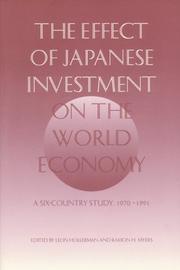
—out of 5—out of 5—out of 5—out of 5—out of 5—out of 5
Magical Tome
- First published
- 1996
- Publisher
- Hoover Institution Press
- Pages
- 240 pages
- ISBN
- 9780817994020
The effect of Japanese investment on the world economy
The outer archives are busy
About this book
Few economic issues have generated as much controversy as Japanese foreign direct investment. Many critics perceived Japanese foreign multinational enterprises and direct investment as causing economic dislocation and deindustrialization. When the host countries experienced difficulties in receiving Japanese foreign direct investment, many connected these difficulties with the world economic showdown between 1970 and 1990, when productivity and employment grew more slowly than in previous decades. Fueled by a high domestic savings rate and by the paper profits of Japan's bubble economy, Japanese foreign direct investment surged between 1970 and 1991 as Japanese firms moved overseas to avail themselves of cheap labor, avoid trade conflict, and acquire real estate and natural resources. When Japan's financial bubble finally burst and foreign direct investment declined, however, Japan's securities and real estate markets turned sour. Economic indicators slid downward and flattened as the world experienced its worst economic depression since the end of the World War II. Japanese foreign direct investment generated new opportunities and benefits but also created new problems for the recipient countries. This volume examines the countries that received nearly three-fifths of all Japanese foreign direct investment between 1980 and 1990 and asks the following questions. Why did Japanese foreign direct investment increase so dramatically between 1970 and 1991? What are some of the significant patterns of Japanese foreign direct investment in host countries? What economic effect did Japanese foreign direct investment have on the host countries?
Match Score
Create a free account to see Match Scores on books the community has marked — once you’ve set your preferences.
Create free accountMarks of the Realm
Marks left by readers of this tome
No community marks yet — be the first to inscribe this tome.
Pacing
Horror / Dark Elements
Romance
Spice Level
LGBTQ+ Representation
Social & Political Themes in Stories