Back to Results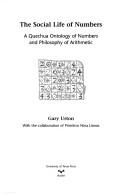
—out of 5—out of 5—out of 5—out of 5—out of 5—out of 5
Magical Tome
- First published
- 1997
- Publisher
- University of Texas Press
- Pages
- 267 pages
- ISBN
- 0292785348
The social life of numbers
The outer archives are busy
About this book
Unraveling all the mysteries of the khipu - the knotted string device used by the Inka to record both statistical data and narrative accounts of myths, histories, and genealogies - will require an understanding of how number values and relations may have been used to encode information on social, familial, and political relationships and structures. This is the problem Gary Urton tackles in his pathfinding study of the origin, meaning, and significance of numbers and the philosophical principles underlying the practice of arithmetic among Quechua-speaking peoples of the Andes. Based on fieldwork in communities around Sucre, in south-central Bolivia, Urton argues that the origin and meaning of numbers were and are conceived of by Quechua-speaking peoples in ways similar to their ideas about, and formulations of gender, age, and social relations. He also demonstrates that their practice of arithmetic is based on a well-articulated body of philosophical principles and values that reflects a continuous attempt to maintain balance, harmony, and equilibrium in the material, social, and moral spheres of community life.
Match Score
Create a free account to see Match Scores on books the community has marked — once you’ve set your preferences.
Create free accountMarks of the Realm
Marks left by readers of this tome
No community marks yet — be the first to inscribe this tome.
Pacing
Horror / Dark Elements
Romance
Spice Level
LGBTQ+ Representation
Social & Political Themes in Stories