Back to Results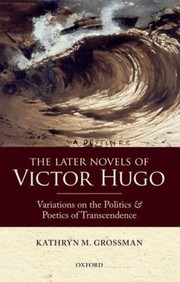
—out of 5—out of 5—out of 5—out of 5—out of 5—out of 5
Magical Tome
- First published
- 2012
- Publisher
- Oxford University Press
- ISBN
- 9781280685750
The Later Novels of Victor Hugo
The outer archives are busy
About this book
This study places the last three novels of Victor Hugo's maturity: "Les Travailleurs de la mer" (1866), "L'Homme qui rit" (1869), and "Quatrevingt-Treize" (1874) - within the context of his artistic development after the success of Les Misérables (1862). By situating thesehistorical narratives in relation to each other, to all of Hugo's previous fiction, and to a number of poetic and critical works published in exile and in the initial years of the Third Republic, it illuminates the final structural and thematic shifts from a poetics of harmony to one of transcendence. As in "Les Misérables", the disharmony associated with social tumult, apocalyptic vision, and oxymoronic tensions provides an essential component of the later Hugo's Romantic sublime.
Match Score
Create a free account to see Match Scores on books the community has marked — once you’ve set your preferences.
Create free accountMarks of the Realm
Marks left by readers of this tome
No community marks yet — be the first to inscribe this tome.
Pacing
Horror / Dark Elements
Romance
Spice Level
LGBTQ+ Representation
Social & Political Themes in Stories