Back to Results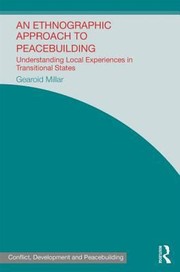
—out of 5—out of 5—out of 5—out of 5—out of 5—out of 5
Magical Tome
- First published
- 2014
- Publisher
- Taylor & Francis Ltd
- Pages
- 198 pages
- ISBN
- 9780415870351
An Ethnographic Approach To Peacebuilding Understanding Local Experiences In Transitional States
The outer archives are busy
About this book
This book aims to outline and promote an ethnographic approach to evaluating international peacebuilding interventions in transitional states. While the evaluation of peacebuilding and transitional justice efforts has been a growing concern in recent years, too often evaluations assess projects based on locally irrelevant measures, reinforce the status quo distribution of power in transitional situations, and uncritically accept the implicit conceptions of the funders, planners, and administrators of such projects. This book argues that evaluating the effects of peacebuilding interventions demands an understanding of the local and culturally variable context of intervention. Throughout the book, the author draws on real world examples from extensive fieldwork in Sierra Leone to argue that local experiences should be considered the primary measure of a peacebuilding project{u2019}s success. An ethnographic approach recognizes diversity in conceptions of peace, justice, development and reconciliation and takes local approaches and local critiques of the international agenda seriously. It can help to empower local actors, hold the international peacebuilding industry accountable to its supposed beneficiaries, and challenge the Western centric ideas of what peace entails and how peacebuilding is achieved. This book will be of much interest to students and scholars of peacebuilding, peace and conflict studies, transitional justice, African politics, ethnography, International Relations and security studies, as well as practitioners working in the field.--Provided by publisher.
Match Score
Create a free account to see Match Scores on books the community has marked — once you’ve set your preferences.
Create free accountMarks of the Realm
Marks left by readers of this tome
No community marks yet — be the first to inscribe this tome.
Pacing
Horror / Dark Elements
Romance
Spice Level
LGBTQ+ Representation
Social & Political Themes in Stories