Back to Results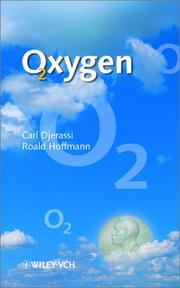
—out of 5—out of 5—out of 5—out of 5—out of 5—out of 5
Magical Tome
- First published
- 2001
- Publisher
- Wiley-VCH
- Pages
- 119 pages
- ISBN
- 3527304134
Oxygen
The outer archives are busy
About this book
"What is discovery? Why is it important to be first? These questions trouble the characters in 'Oxygen'. The action alternates between 1777 and 2001, the Centenary of the Nobel Prize, when the Nobel Foundation decides to inaugurate a 'retro-Nobel' award for discoveries that preceded the establishment of the Prize in 1901. The Foundation thinks this will be easy. In the good old days, wasn't science done for science's sake? Wasn't discovery simple, pure, and unalloyed by controversy, priority, claims, and hype? The Nobel Committee decides to reward the discovery of Oxygen, since that launched the Chemical Revolution. Lavoisier is a natural choice. But what about Scheele? What about Priestley? Didn't they first discover oxygen? The play brings the candidates and their wives to 1777 Stockholm at the invitation of King Gustav III. Through the scientists' wives, in a sauna and elsewhere, we learn of their lives and those of their husbands. Meanwhile in 2001, the Nobel Committee argues about the conflicting claims of the three men. The ethical issues around priority and discovery at the heart of this play are as timely today as they were in 1777. As are the ironies of revolutions: Lavoisier, the chemical revolutionary, is a political conservative, who loses his life in the Jacobin terror. Priestley, the political radical, is a chemical conservative. And Scheele just wants to run his pharmacy. He, the first man on earth to make oxygen, got least credit for it. Will that situation be repaired 230 years after his discovery?"--Inside front flap.
Match Score
Create a free account to see Match Scores on books the community has marked — once you’ve set your preferences.
Create free accountMarks of the Realm
Marks left by readers of this tome
No community marks yet — be the first to inscribe this tome.
Pacing
Horror / Dark Elements
Romance
Spice Level
LGBTQ+ Representation
Social & Political Themes in Stories