Back to Results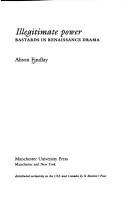
—out of 5—out of 5—out of 5—out of 5—out of 5—out of 5
Magical Tome
- First published
- 1994
- Publisher
- Manchester University Press
- Pages
- 282 pages
- ISBN
- 0719039916
Illegitimate Power
The outer archives are busy
About this book
In Renaissance drama, the bastard is an extraordinarily powerful and disruptive figure. We have only to think of Caliban or of Edmund to realise the challenge presented by the illegitimate child. Drawing on a wide range of play texts, Alison Findlay shows how illegitimacy encoded and threatened to deconstruct some of the basic tenets of patriarchal rule. She considers bastards as indicators and instigators of crisis in early modern England, reading them in relation to witchcraft, spiritual insecurities and social unrest in family and State. The characters discussed range from demi-devils, unnatural villains and clowns to outstandingly heroic or virtuous types who challenge officially sanctioned ideas of illegitimacy. The final chapter of the book considers bastards in performance; their relationship with theatre spaces and audiences. Illegitimate voices, Findlay argues, can bring about the death of the author/father and open the text as a piece of theatre, challenging accepted notions of authority.
Match Score
Create a free account to see Match Scores on books the community has marked — once you’ve set your preferences.
Create free accountMarks of the Realm
Marks left by readers of this tome
No community marks yet — be the first to inscribe this tome.
Pacing
Horror / Dark Elements
Romance
Spice Level
LGBTQ+ Representation
Social & Political Themes in Stories