Back to Results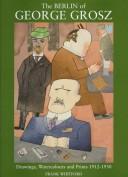
—out of 5—out of 5—out of 5—out of 5—out of 5—out of 5
Magical Tome
- First published
- 1997
- Publisher
- Royal Academy of Arts
- Pages
- 212 pages
- ISBN
- 0300072066
The Berlin of George Grosz
The outer archives are busy
About this book
No artist's work gives off the acrid whiff of Berlin during the 1920s as unmistakably as the paintings, drawings and prints of George Grosz (1893-1959). They teem with the characters who gave the capital of the Weimar Republic its by turns dangerously seductive and repulsive face: the prostitutes and pimps, the beggars and black marketers, the scheming politicians, vengeful military and judiciary, the dissatisfied workers and self-important bourgeoisie. In Grosz's work we can follow, through at first politically committed but then increasingly disillusioned eyes, the course of Germany from defeat in the First World War through economic and political crisis to the rise and triumph of Fascism. Given Grosz's stature and the still-growing interest in modern German art, it is extraordinary that the exhibition at the Royal Academy will be the first in Britain since 1962. It will include about 150 of his finest works on paper and will show a number of major works never previously seen. The catalogue will also provide information, unfamiliar to a non-German audience, about a fascinating and complex artist: several of Grosz's key theoretical essays and most of his revealing letters have never been translated into English.
Match Score
Create a free account to see Match Scores on books the community has marked — once you’ve set your preferences.
Create free accountMarks of the Realm
Marks left by readers of this tome
No community marks yet — be the first to inscribe this tome.
Pacing
Horror / Dark Elements
Romance
Spice Level
LGBTQ+ Representation
Social & Political Themes in Stories