Back to Results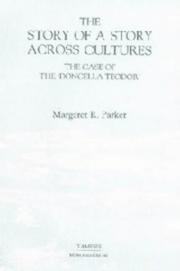
—out of 5—out of 5—out of 5—out of 5—out of 5—out of 5
Magical Tome
- First published
- 1996
- Publisher
- Tamesis
- Pages
- 153 pages
- ISBN
- 1855660385
The story of a story across cultures
The outer archives are busy
About this book
The story of a well-educated slave girl who exchanges learning for riches was composed in Arabic in Islamic Baghdad between the ninth and eleventh centuries and retold in three other languages and cultures during the next eight centuries. Remarkable for its longevity, popularity and the positive way it presents its eponymous heroine, it describes the way in which she rescues her master from poverty by defeating several learned men in public debate in front of the caliph or king. The tale is extant in some editions of The Thousand and One Nights, Arabic and Castilian manuscripts from the late thirteenth or early fourteenth century, numerous Spanish and Portuguese prints from the sixteenth and seventeenth centuries, and later chapbook versions. In America it was incorporated into some of the Maya books of Chilam Balam, and in Brazil it was adapted to the popular Iibro de cordel verse format. . This study presents Castilian manuscript and printed versions of the text and a Brazilian verse version, along with English translations. It also explores the complex transmission history of the story; develops a theory for its reception and popularity in several cultures; and considers it for the first time in the context of the Thousand and One Nights and Spanish and Portuguese popular literature.
Match Score
Create a free account to see Match Scores on books the community has marked — once you’ve set your preferences.
Create free accountMarks of the Realm
Marks left by readers of this tome
No community marks yet — be the first to inscribe this tome.
Pacing
Horror / Dark Elements
Romance
Spice Level
LGBTQ+ Representation
Social & Political Themes in Stories