Back to Results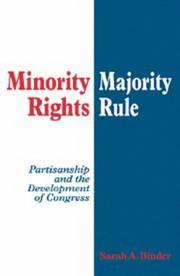
—out of 5—out of 5—out of 5—out of 5—out of 5—out of 5
Magical Tome
- First published
- 1997
- Publisher
- Cambridge University Press
- ISBN
- 9780511823374
Minority rights, majority rule
The outer archives are busy
About this book
Minority Rights, Majority Rule seeks to explain a phenomenon evident to most observers of the U.S. Congress. In the House of Representatives, majority parties rule and minorities are seldom able to influence national policy making. In the Senate, minorities quite often call the shots, empowered by the filibuster to frustrate the majority. Why did the two chambers develop such distinctive legislative styles? Conventional wisdom suggests that differences in the size and workload of the House and Senate led the two chambers to develop very different rules of procedure. Binder offers an alternative, partisan theory to explain the creation and suppression of minority rights, showing that contests between partisan coalitions have throughout congressional history altered the distribution of procedural rights. Most importantly, new majorities inherit procedural choices made in the past. This institutional dynamic has fueled the power of partisan majorities in the House but stopped them in their tracks in the Senate.
Match Score
Create a free account to see Match Scores on books the community has marked — once you’ve set your preferences.
Create free accountMarks of the Realm
Marks left by readers of this tome
No community marks yet — be the first to inscribe this tome.
Pacing
Horror / Dark Elements
Romance
Spice Level
LGBTQ+ Representation
Social & Political Themes in Stories