Back to Results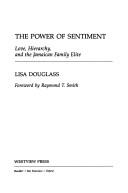
—out of 5—out of 5—out of 5—out of 5—out of 5—out of 5
Magical Tome
- First published
- 1992
- Publisher
- Westview Press
- Pages
- 298 pages
The power of sentiment
The outer archives are busy
About this book
When anthropologists discuss power, they may speak of individuals, a social class, or the state. When Jamaicans discuss power, they speak in terms of family. They point to the so-called twenty-one families who live in the hills surrounding the capital at Kingston and occupy the commanding heights of this Caribbean island nation. The Power of Sentiment looks at love and hierarchy in the kinship patterns of Jamaica's prominent business families--the privileged, mostly white Jamaicans who form what Douglass calls a "family elite." Douglass argues that in Jamaica structures and practices of power converge with the structures and practices of kinship. She suggests that the way they organize and carry out family life--such as by marrying almost exclusively within their group--supports and reproduces historically constituted hierarchies of gender, color, and class. Yet the kinship practices of the family elite do not merely serve to maintain their position or promote their interests, as some critics have suggested. The elite marry according to enduring cultural dispositions about the proper ordering of color, gender, and class relations, following their sense of what "feels right." In their view, they marry not out of self-interest, but "for love." The Power of Sentiment breaks new ground in ethnographic studies of kinship. Lisa Douglass examines the upper class, a group previously neglected in research on the Caribbean family despite its integral role in the kinship system. She provides fresh insights into what earlier studies termed the color/ class hierarchy by considering how gender both affects what these categories represent and is itself a distinct dimension of the social order. The author also makes a significant contribution to theories of ideology and practice. By exploring the power of sentiment, she emphasizes the perspective of the people studied and suggests that feelings such as love carry both ideological power and cultural meaning. Moving beyond a limited analysis of showing how meaning serves the structures of power, Douglass considers the power of meaning itself in constituting family and society.
Match Score
Create a free account to see Match Scores on books the community has marked — once you’ve set your preferences.
Create free accountMarks of the Realm
Marks left by readers of this tome
No community marks yet — be the first to inscribe this tome.
Pacing
Horror / Dark Elements
Romance
Spice Level
LGBTQ+ Representation
Social & Political Themes in Stories