Back to Results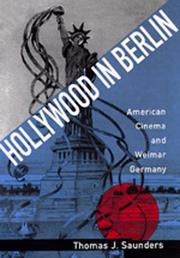
—out of 5—out of 5—out of 5—out of 5—out of 5—out of 5
Magical Tome
- First published
- 1994
- Publisher
- University of California Press
- Pages
- 348 pages
- ISBN
- 9780520914162
Hollywood in Berlin
The outer archives are busy
About this book
Charlie Chaplin, Hollywood's most famous film star, went almost unnoticed when he visited Berlin in 1921. Three years later, Jackie Coogan was mobbed by Berlin fans. Within two years after that, audiences were protesting with howls and angry whistling against the American motion pictures that dominated Berlin's leading theaters. Yet before the decade was over they were lining up to hear Al Jolson sing in their first experience of sound film. These roller-coaster reactions are engagingly documented by Thomas Saunders as he explores an outstanding example of one of this century's most important cultural developments: global Americanization through the motion picture. The setting is Berlin, the cultural heart of Central Europe and home of the only film industry after World War I to rival Hollywood's. The invasion by American films, which began in 1921 with overlapping waves of sensationalist serials, slapstick shorts, society pictures, and historical epics, initiated a decade of cultural collision and accommodation. It fueled an impassioned debate about the properties of cinema and the spectre of wholesale Americanization, while facilitating unprecedented levels of cultural and economic exchange. . American motion pictures not only entertained all social classes and film tastes in Weimar Germany but also served as a vehicle for American values and a source of sharp economic competition. In Hollywood in Berlin, Saunders examines the significance of Hollywood's presence in Germany through an analysis of the imported films and the commercial, social, and artistic discourses which they generated. He explores the phases of audience and critical appreciation of Hollywood - from avid curiosity and enthusiasm through growing disenchantment and saturation - as they relate to the ever-expanding front of the American film invasion. His fascinating discussion of Erich von Stroheim's Greed, which opened in Germany in 1926, shows how closely the violent reaction to the film on the part of critics and moviegoers alike paralleled the swelling fear of Amerikanismus and its perceived challenge to traditional German values. By correlating Hollywood's changing contribution to Weimar culture with the multiple contexts in which the films and their values were received, Hollywood in Berlin illuminates a vital moment of cultural encounter in the twentieth century. In addition, it successfully restores to the study of Weimar cinema its long-neglected international context and historicizes the ongoing struggle to safeguard the specificity of national cinemas from domination by Hollywood.
Match Score
Create a free account to see Match Scores on books the community has marked — once you’ve set your preferences.
Create free accountMarks of the Realm
Marks left by readers of this tome
No community marks yet — be the first to inscribe this tome.
Pacing
Horror / Dark Elements
Romance
Spice Level
LGBTQ+ Representation
Social & Political Themes in Stories