Back to Results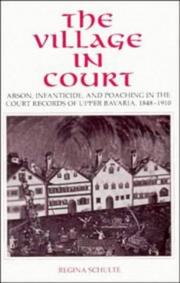
—out of 5—out of 5—out of 5—out of 5—out of 5—out of 5
Magical Tome
- First published
- 1994
- Publisher
- Cambridge University Press
- Pages
- 199 pages
- ISBN
- 0521431867
The village in court
The outer archives are busy
About this book
The rural village in nineteenth-century Europe was caught in conflict between its traditional local culture and its new integration into the grasp of state institutions and modern social structures. Local practices were turned into crimes; the social meaning of crime within the village culture was redefined by the new standards of bourgeois penal law and psychiatry. The language of the intruding agencies has structured, by a wealth of written documentation, the image of village life for the outside world. Criminal investigations, however, had to be based on interrogations of the villagers themselves. It is through this record of a traditional oral culture that the villagers' own views, language, and symbolic gestures have been preserved. This book uses an analytical approach informed by social history, folklore and gender studies, anthropology, criminology, and psychoanalysis to reconstruct the cultural implications of these documents, which originated from the very moment when traditional village culture was being called into question. Based on archival records of prosecutions of the three most important rural types of crime before the penal courts of Upper Bavaria in the late nineteenth century - arson, infanticide, and poaching - this study in historical anthropology reveals the fabric of the village society: its norms, conflicts, and hidden meanings. Concentrating on the individual in conflict within the household economy and the local community, it gives a new and original interpretation of power structures, gender relations, and generational rites of passage within the village.
Match Score
Create a free account to see Match Scores on books the community has marked — once you’ve set your preferences.
Create free accountMarks of the Realm
Marks left by readers of this tome
No community marks yet — be the first to inscribe this tome.
Pacing
Horror / Dark Elements
Romance
Spice Level
LGBTQ+ Representation
Social & Political Themes in Stories