Back to Results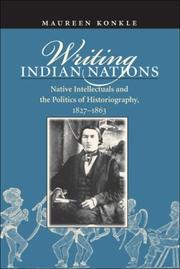
—out of 5—out of 5—out of 5—out of 5—out of 5—out of 5
Magical Tome
- First published
- 2007
- Publisher
- The University of North Carolina Press
- Pages
- 344 pages
- ISBN
- 9780807828229
Writing Indian Nations
The outer archives are busy
About this book
Publisher description: In the early years of the republic, the United States government negotiated with Indian nations because it could not afford protracted wars politically, militarily, or economically. Maureen Konkle argues that by depending on treaties, which rest on the equal standing of all signatories, Europeans in North America institutionalized a paradox: the very documents through which they sought to dispossess Native peoples in fact conceded Native autonomy. As the United States used coerced treaties to remove Native peoples from their lands, a group of Cherokee, Pequot, Ojibwe, Tuscarora, and Seneca writers spoke out. These writers countered widespread misrepresentations about Native peoples' supposedly primitive nature, their inherent inability to form governments, and their impending disappearance with history, polemic, and personal narrative. Furthermore, they contended that arguments about racial difference merely justified oppression and dispossession deriding these arguments as willful attempts to evade the true meanings and implications of the treaties, the writers insisted on recognition of Native peoples' political autonomy and human equality. Konkle demonstrates that these struggles over the meaning of U.S.-Native treaties in the early nineteenth century led to the emergence of the first substantial body of Native writing in English and, as she shows, the effects of the struggle over the political status of Native peoples remain embedded in contemporary scholarship.
Match Score
Create a free account to see Match Scores on books the community has marked — once you’ve set your preferences.
Create free accountMarks of the Realm
Marks left by readers of this tome
No community marks yet — be the first to inscribe this tome.
Pacing
Horror / Dark Elements
Romance
Spice Level
LGBTQ+ Representation
Social & Political Themes in Stories